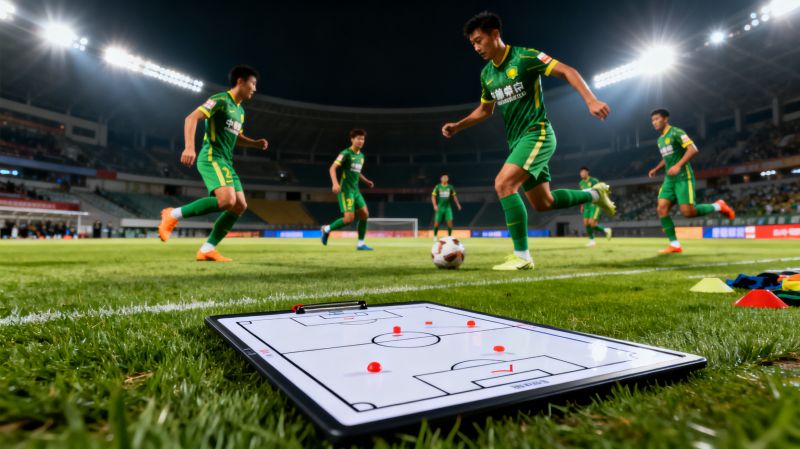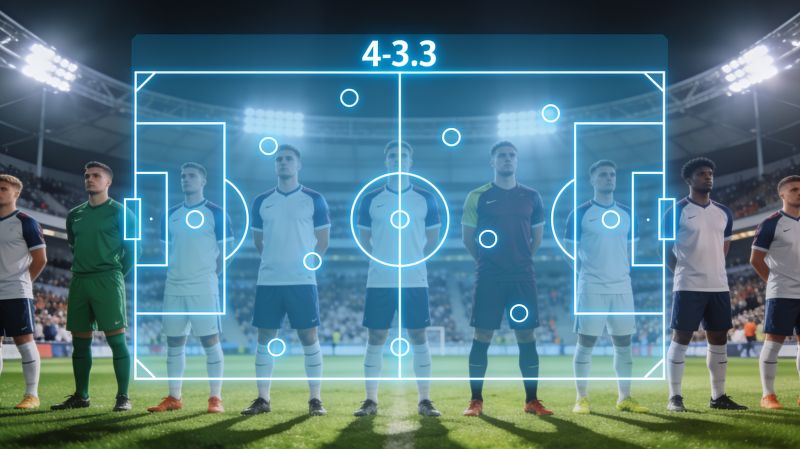
Frank Lampard never looked like a midfielder who would outthink everyone. No blistering pace, no flashy dribbles. Yet his reading of space。timing of runs, and awareness of where the ball would drop made him one of the most intelligent players of his generation. Lampard's IQ wasn't about raw speed;it was about anticipation. He consistently arrived in the box a half-second before defenders, turning half-chances into goals.Consider his positioning. Lampard often started deep。
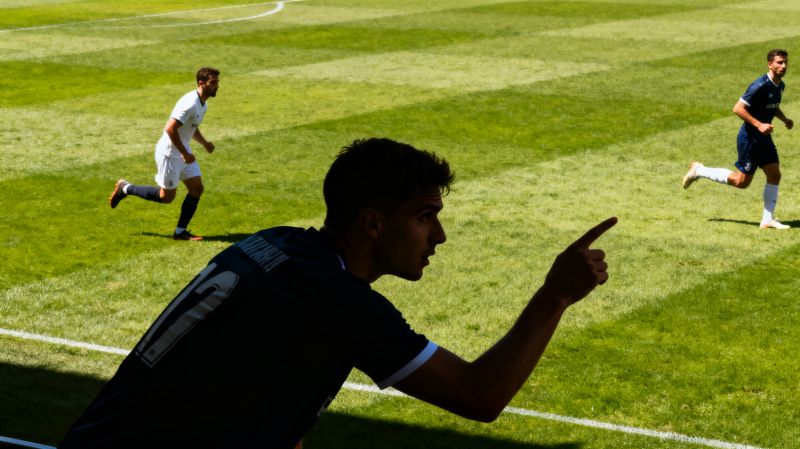
then surged forward as the ball shifted wide. Watch his goal against Bayern Munich in 2005 or his double against Bolton—the runs weren't random. He scanned the line, checked the keeper's angle, and adjusted his body shape before the cross arrived. That cognitive processing—deciding where to be and when—is the core of Lampard's IQ. It explains why he scored over 200 goals from midfield, a tally that defies conventional role definitions.His decision-making under pressure stood out too. In congested areas, Lampard rarely rushed. He'd take a touch to reorient, shield the ball with his frame。then release a pass that broke lines. Teammates often remarked on his constant verbal communication—pointing, instructing, reorganizing shape mid-play. That executive function, the ability to process multiple variables in real time, separated him from more athletic peers. I recall a Champions League match against Barcelona where he shifted from a box-to-box role to a deeper playmaking one without losing effectiveness. That adaptability is a hallmark of high football intelligence.Lampard's IQ also showed in his shooting. He didn't just blast the ball;he placed it. Low, hard, across the keeper—the technique was rehearsed but the choice of when to shoot versus pass came from rapid pattern recognition. He studied opponents' body language. A slight shift in a defender's weight meant a shooting window. A keeper's early dive meant a chipped finish. These micro-decisions happened in fractions of a second, and they accumulated into a career defined by efficiency. Critics who reduce his game to "good timing" miss the underlying cognitive work.Maybe the most telling evidence is how his intelligence translated to management. Lampard's Chelsea and Derby sides showed structured pressing and fluid transitions—ideas that require players to think collectively. His tactical adjustments mid-game, even when results wavered, revealed a mind constantly analyzing. Lampard's IQ wasn't just about scoring;it was about understanding the game's geometry. That legacy persists, a reminder that football intelligence often hides behind modest athleticism.